Skip to content
Ricardo ShipmanThe Measured Carry Shelf

Practical books by Ricardo Shipman

Make your carry decisions answer to a record

I wrote three working books for the decisions around a concealed handgun: fit the equipment, wear it consistently, and leave the fight before you need to explain it.

A Retired Police Instructor's Fit Test

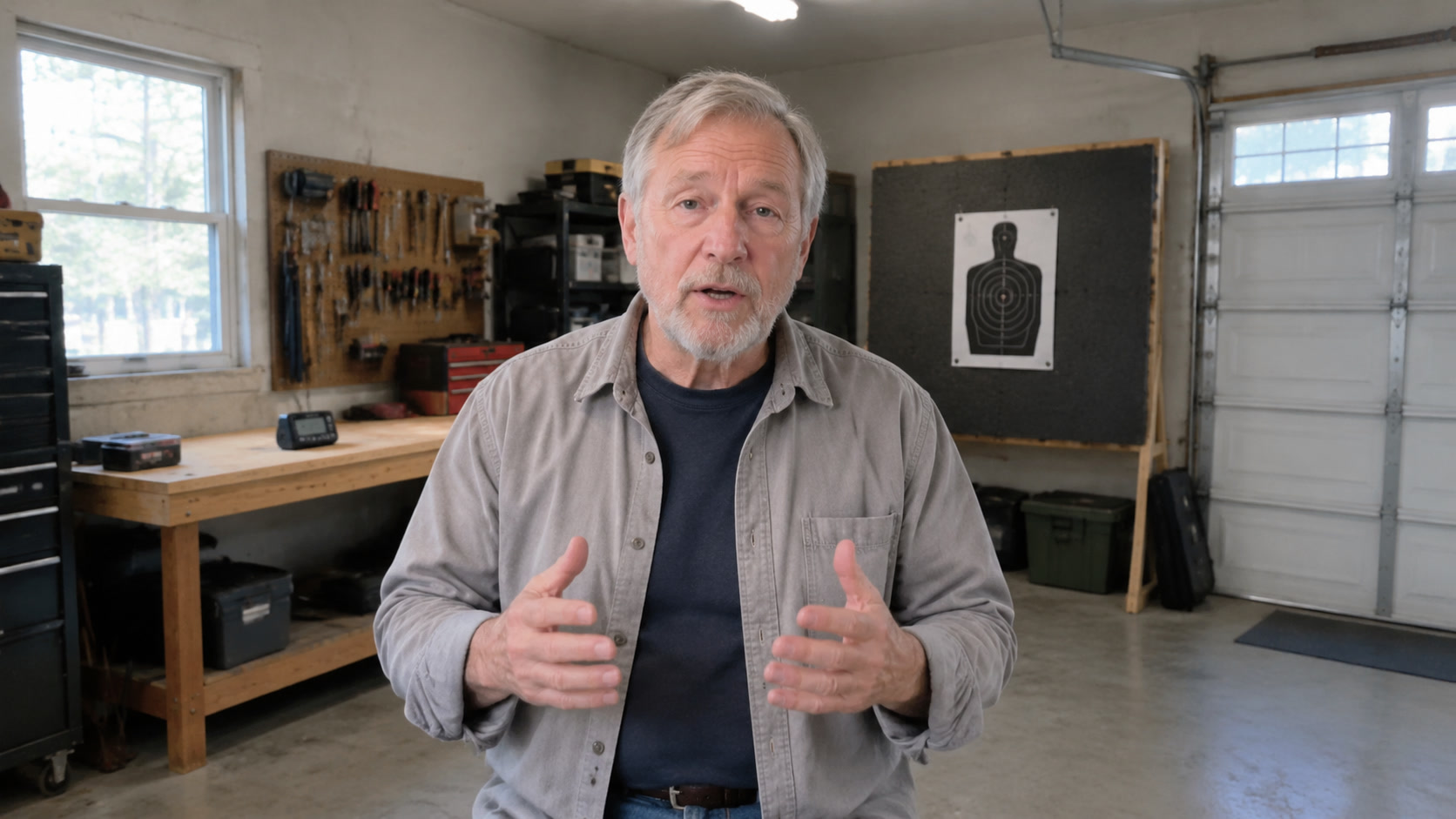
Sound on — Ricardo Shipman explains everything in 3 minutes

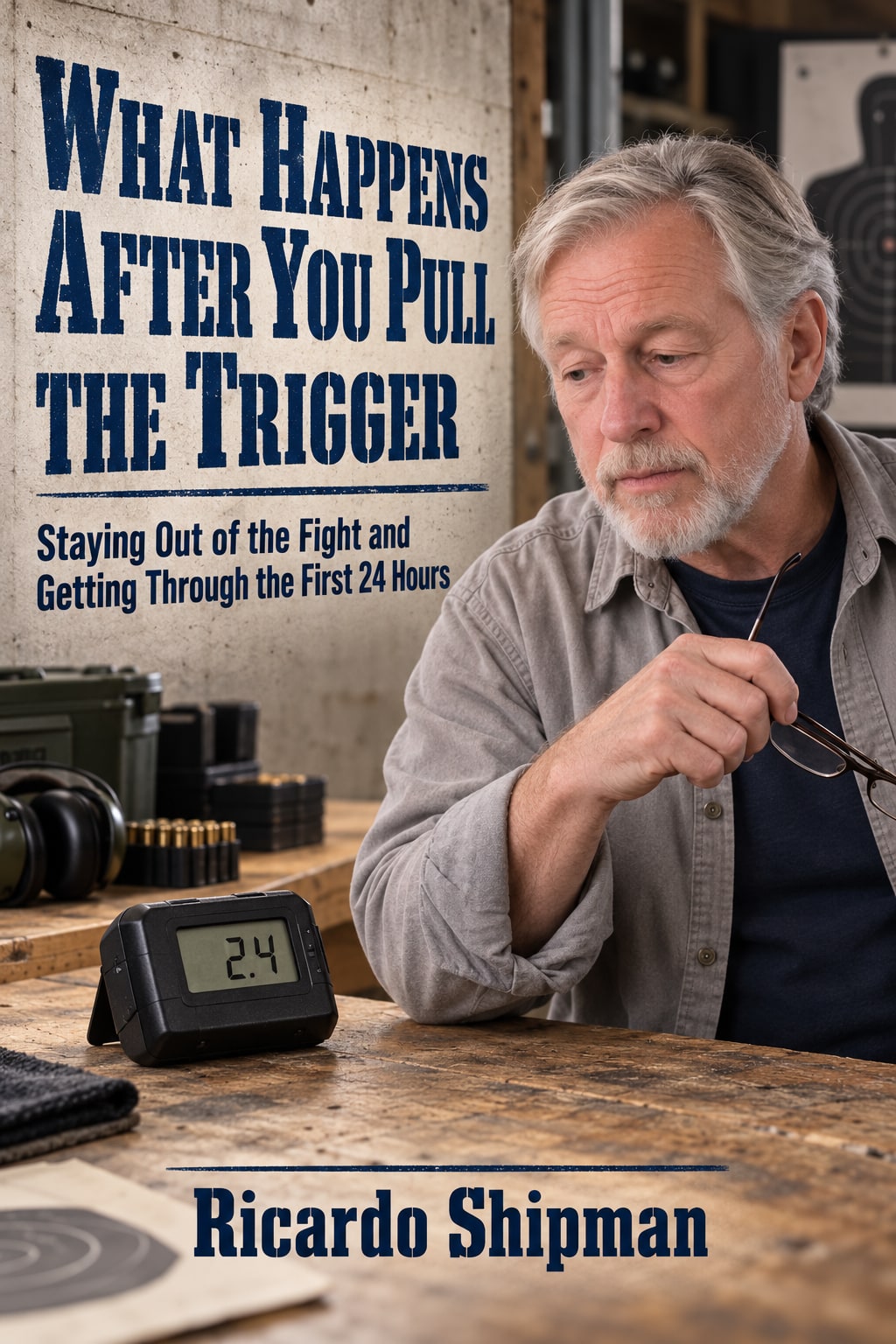
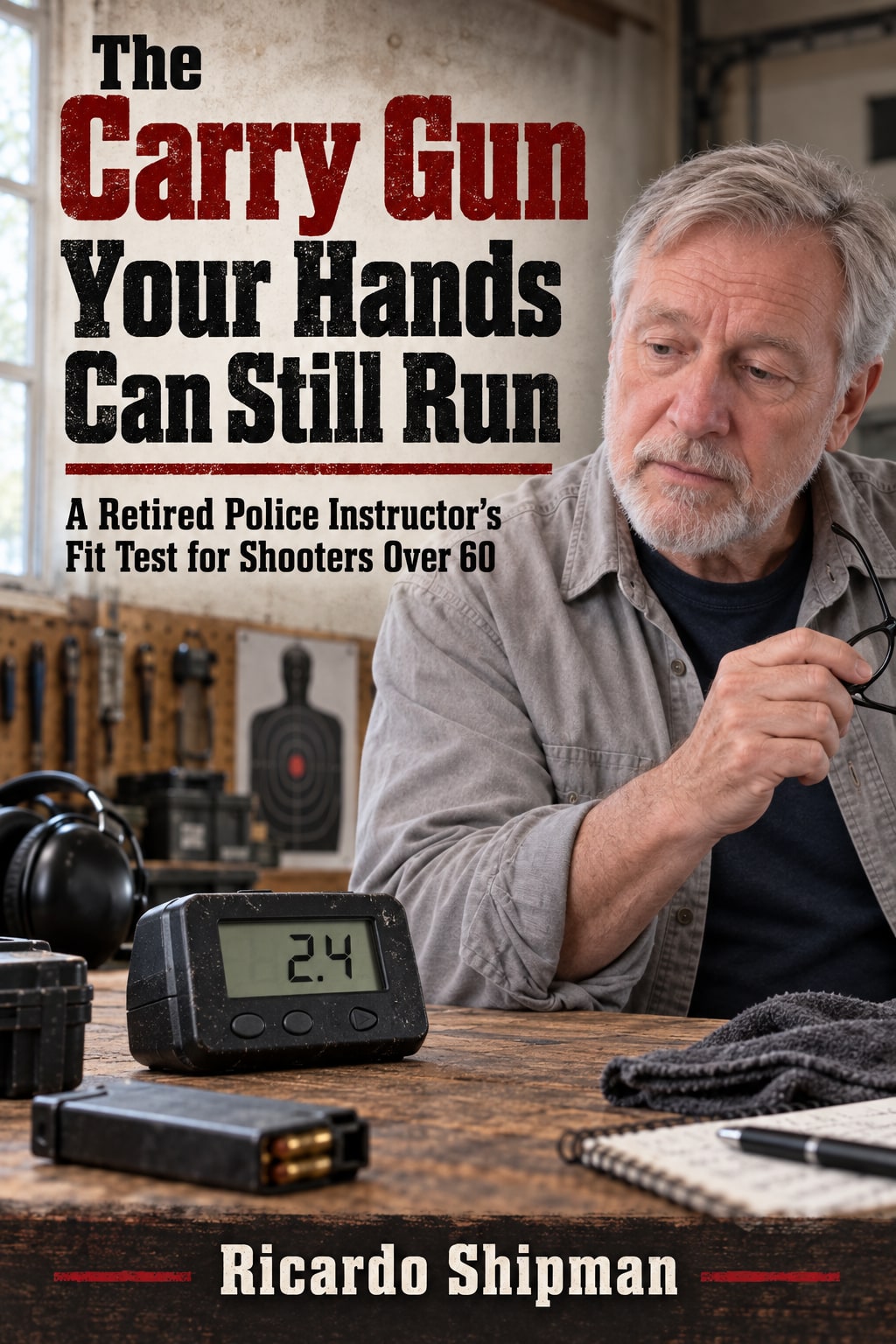
The Carry Gun Your Hands Can Still RunCarry It Every Day: Holsters, Belts, Car Draws and Practice for the Body You Have After 60What Happens After You Pull the Trigger

The video is unavailable. Everything it covers is written below.

Read the transcript

At 2.0 seconds, you may observe a person standing beside your driver-side door. That changes the problem before your hand ever reaches the gun.

I’m Ricardo Shipman. I’m 66, and I spent years teaching police officers how to approach vehicles during traffic stops. I carried an issued pistol during my law-enforcement career. Today, I carry a Smith and Wesson Shield Plus at four o’clock most days.

The gun has outlasted two of my personal holsters. My changing midsection forced me to refit the setup. Arthritis at the bases of my thumbs changed what my hands could comfortably run. My memory is no longer what it used to be. Even a good memory wouldn’t show what a new waistline does to a holster after six hours.

That’s why this is more than a gun-choice book. It’s more than a holster book. It’s more than a discussion of what happens after a defensive shooting. Carry After 60 brings those three jobs together in 395 pages, across three books, with 31 chapters.

The first book is The Carry Gun Your Hands Can Still Run. Its job is to measure the gun, your hands, and your eyes before you trust any of them. On page 28 in The Carry Gun Your Hands Can Still Run, “What Your Hands Can Actually Run” helps you judge the controls and operating effort your hands can manage. On page 118 in that book, “Choose the Gun Your Record Can Defend” points you back to measured performance instead of confidence or folklore.

The second book is Carry It Every Day. Its job is to build one setup your body can wear, reach, and practice. On page 47 in Carry It Every Day, “When a Belly Changes the Geometry” addresses the fit problem I had to solve for myself. On page 60 in that book, “The Car Is a Different Body Position” treats the vehicle as its own physical problem, not just another place to stand.

The third book is What Happens After You Pull the Trigger. Its job is to prepare your family, read the scene, preserve the record, and make the next sound decision. On page 69 in What Happens After You Pull the Trigger, “The First Twenty-Four Hours” gives you a way to think about the period after the event, when confusion and consequences are still moving.

Open with The Carry Gun Your Hands Can Still Run. By the end, you can compare a gun against your own record. Then use Carry It Every Day to make the system workable through ordinary days. Finish with What Happens After You Pull the Trigger, because avoidance, distance, and earlier decisions matter more than improving my 1.9-second concealed draw.

Don’t buy this set expecting a medical assessment. I am not a physician, and this book is not a medical assessment. I’m not a lawyer, either, and this isn’t legal advice.

$27. Get Carry After 60 using the button below this video.
PDF

3 Books · 395 Pages · 31 Chapters · 6 Methods · 6 Tables · 7 Checklists · 19 Glossary terms

3Books
395Pages
$27Your order

The Measured Carry Shelf

The equipment is only useful when it fits the day

A gun can work perfectly and still fail as part of your routine. The useful question is what your hands, eyes, clothing, car, memory, and decisions can repeat when the situation is ordinary or suddenly not ordinary.

  • You work a slide once at the counter, then discover at home that the grip, magazine release, or sight picture does not suit your hands or glasses.
  • Your belt sags, your midsection changes, or the holster presses in the car, so the handgun spends more time in a drawer or console than on you.
  • You practice a fast draw but have not measured whether you can repeat it cleanly, recover the sights, or keep practicing when your thumbs and back are sore.
  • A parking lot, gas pump, porch, or road-rage encounter narrows the distance before you have decided where to move or when to leave.
  • After a shooting, adrenaline, injury, medication, and exhaustion can alter the record unless you have prepared a factual sequence and know whom to contact.

The books

The Measured Carry Shelf

The Carry Gun Your Hands Can Still Run

The books / 01

The Carry Gun Your Hands Can Still Run

A Retired Police Instructor's Fit Test for Shooters Over 60

A carry gun is a fit between one shooter and one mechanism. Record what you can repeat before you buy.

This is the bench-and-range book for choosing a handgun your hands, eyes, and practice habits can actually run. I take you from "The Gun Counter Is Not a Test" to a written Fit Sheet, then measure grip strength, slide operation, magazine reach, trigger work, sight picture, recoil, and repeatability. "One Range Day, Four Honest Comparisons" gives you a controlled record for four rental or owned guns, with 50 rounds through each and notes for hits, failures, reloads, recovery, discomfort, and willingness to practice again. The final decision uses your record, not a counter impression or internet ranking.

Selected chapters

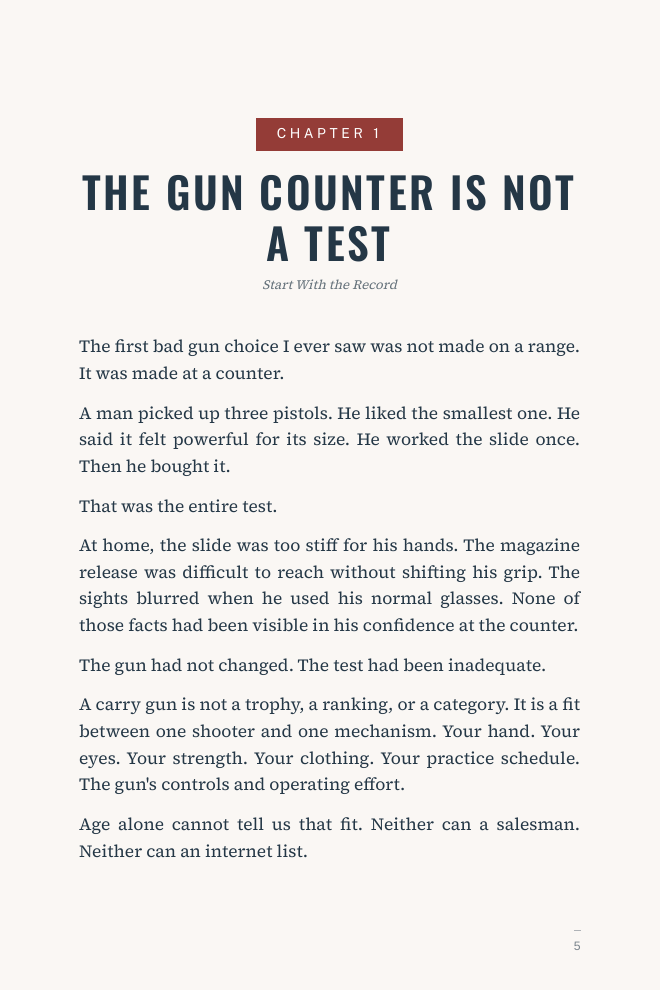
  1. The Gun Counter Is Not a Test
  2. Build the Fit Sheet Before You Touch the Gun
  3. What Your Hands Can Actually Run
  4. The Trigger Is Part of the Fit
  5. Test the Sight Picture You Really Use
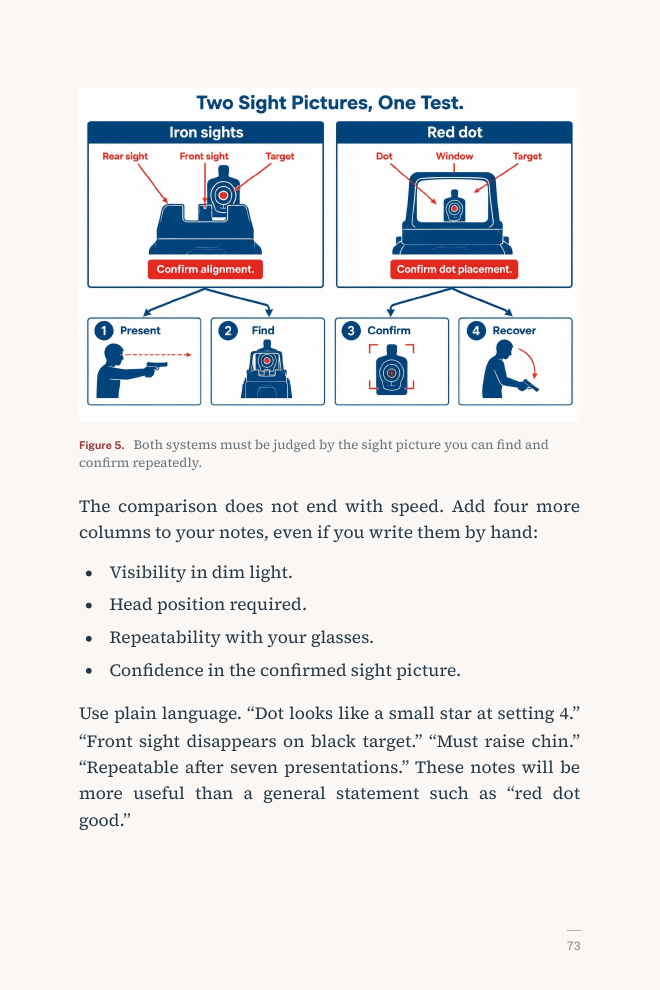
  6. Red Dots, Irons, and the Dark Room
  7. Recoil Is a Practice Budget
  8. The Revolver Question Has to Be Yours
Carry It Every Day: Holsters, Belts, Car Draws and Practice for the Body You Have After 60

The books / 02

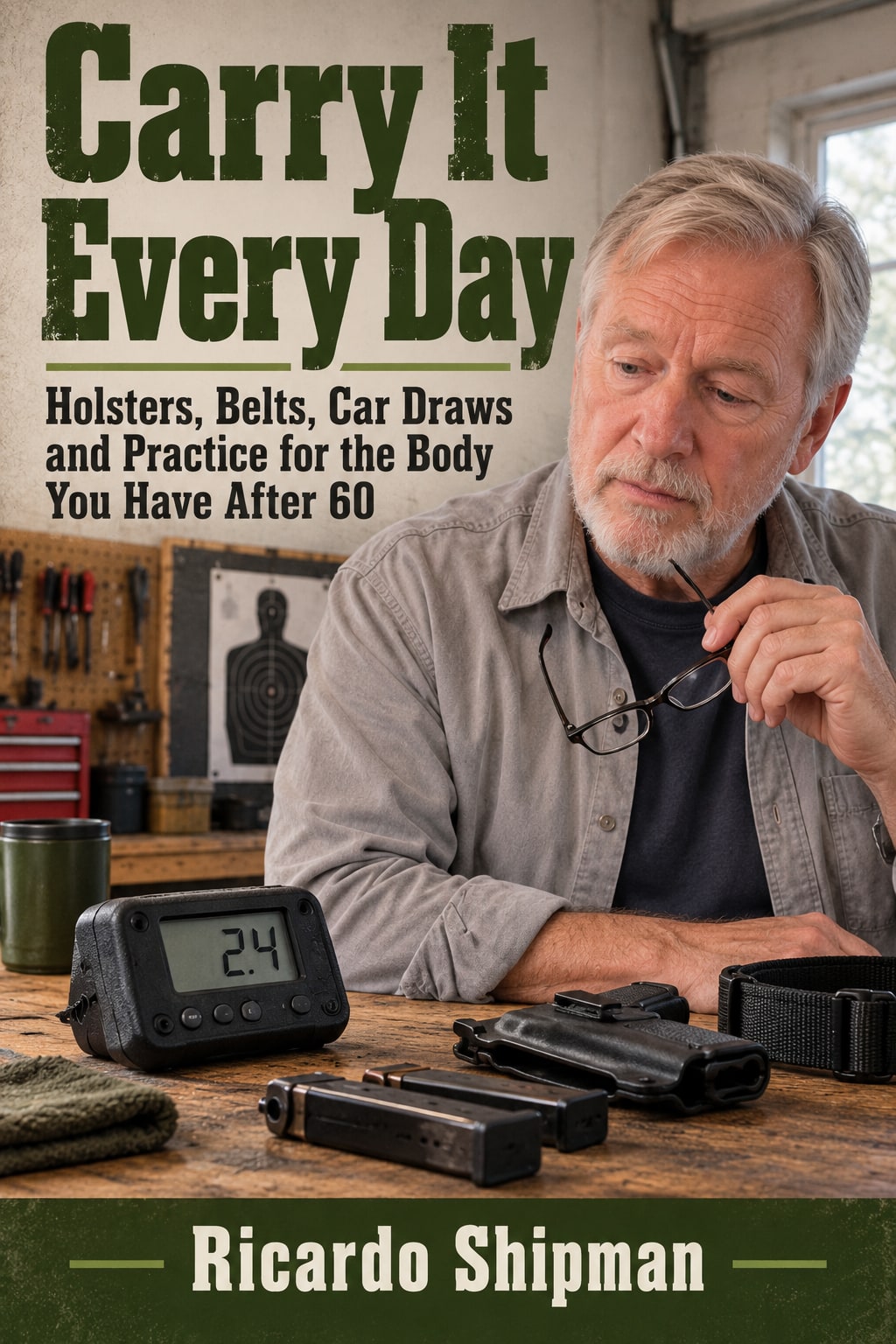
Carry It Every Day: Holsters, Belts, Car Draws and Practice for the Body You Have After 60

The Measured Carry Handbook for Comfort, Seated Access, and Pain-Aware Practice

The best carry position is the one your body can wear and your hands will consistently practice.

This is the equipment-and-routine book for the handgun you intend to wear on an ordinary Tuesday. I use "The Tuesday in August Test" to examine heat, errands, sitting, driving, bending, printing, pressure, and the end-of-day decision before you buy another holster. You will work through belt stiffness, buckle placement, pants fit, changing midsection geometry, 3 to 5 o'clock and other positions, parked-car practice, restroom clothing management, and the Safe-Handling Ladder. "Ten Minutes, Four Mornings" builds measured repetitions around sore thumbs, unloaded equipment, no ammunition in the room, and a safe backstop.

Selected chapters

  1. The Gun You Actually Wear
  2. The Tuesday in August Test
  3. Build From the Belt Up
  4. Map the Holster to Your Body
  5. When a Belly Changes the Geometry
  6. The Car Is a Different Body Position
  7. The Restroom and Other Small Rooms
  8. Make the System Kind to Your Back and Hands
What Happens After You Pull the Trigger

The books / 03

What Happens After You Pull the Trigger

A Retired Police Instructor on Staying Out of the Fight and Getting Through the First 24 Hours

Leave earlier, keep distance, make yourself understandable to the first officer, and preserve the record.

This is the avoidance, aftermath, and record book. It begins with "The Event You Are Trying to Prevent" and the Exit First Rule, then works through parking lots, gas pumps, ATMs, porches, road rage, passengers, blocked routes, responding officers, medical attention, witness separation, evidence preservation, and the first 24 hours. You will build a Passenger Card, Family Briefing, attorney-question list, plan-document review, and truthful records checklist. I also explain why memory can be incomplete or overconfident after a violent event. I am not a lawyer, and this book is not legal advice.

Selected chapters

  1. The Event You Are Trying to Prevent
  2. Where the Ordinary Day Narrows
  3. The Passenger Is Part of the Scene
  4. Leave Before You Need to Decide
  5. What the First Officer Sees
  6. The First Twenty-Four Hours
  7. Your Body Will Alter the Record
  8. Finding the Attorney Before the Emergency

Selected chapters

Three books, three jobs

Read them in order if you are building the whole system. Each book answers a different question: can I run it, will I wear it, and how will I avoid or handle the event around it?

  1. 1. Test the gun before trusting the label

    Start with The Carry Gun Your Hands Can Still Run. Prepare the safe testing space, complete the hand and eye audits, and begin a Fit Sheet that separates what you know from what you are guessing.

  2. 2. Make the setup work on an ordinary Tuesday

    Move to Carry It Every Day. Run the Tuesday in August Test, change one foundation item at a time, compare the holster to your body and car, then use Ten Minutes, Four Mornings for measured practice.

  3. 3. Rehearse the decisions before the emergency

    Finish with What Happens After You Pull the Trigger. Apply the Exit First Rule, brief your passenger or family, prepare questions for an attorney licensed in your state, and organize the first-24-hours record.

Look inside

See the work before you buy

Open a page and read it. The samples begin with the gun counter, the body that changes, and the event you are trying to prevent. Inside the books are 31 chapters, 6 methods, 6 tables, 7 checklists, and 19 glossary terms across 395 pages, with concrete records such as the Fit Sheet, the August Test, the Passenger Card, and the Exit First Rule.

3 Books · 395 Pages · 31 Chapters · 6 Methods · 6 Tables · 7 Checklists · 19 Glossary terms

Page 5 — The Gun Counter Is Not a Test
Page 5 — The Gun Counter Is Not a Test ↗
Page 73 — Red Dots, Irons, and the Dark Room
Page 73 — Red Dots, Irons, and the Dark Room ↗
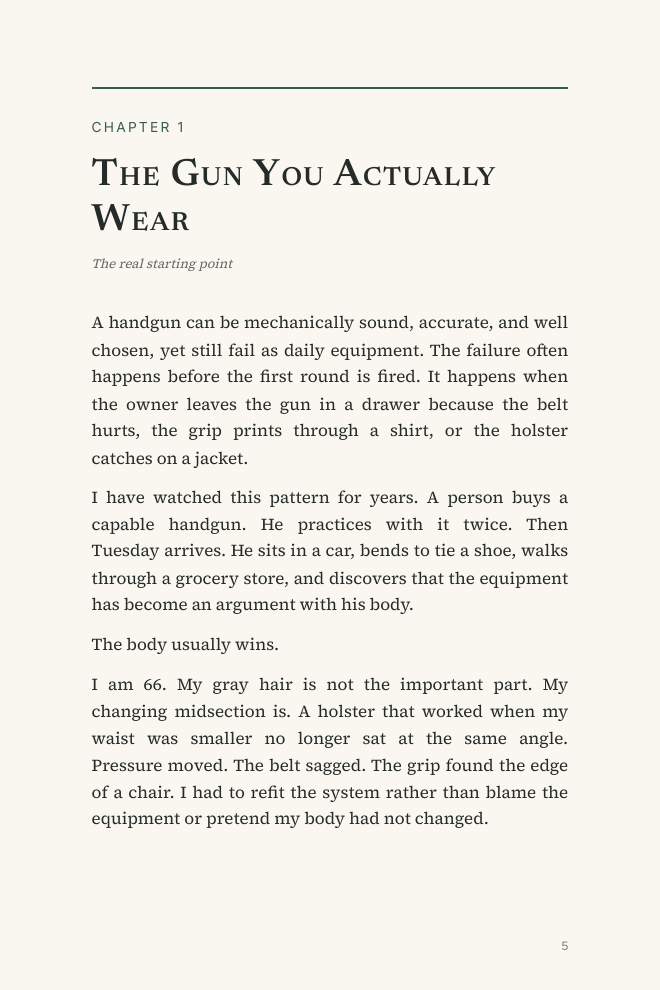
Page 5 — The Gun You Actually Wear
Page 5 — The Gun You Actually Wear ↗
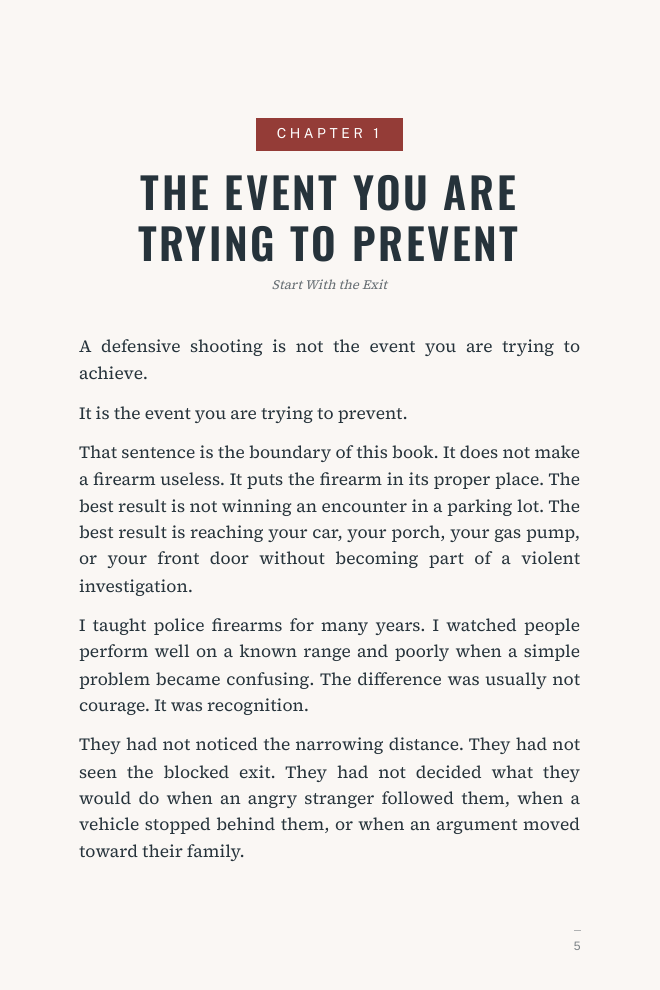
Page 5 — The Event You Are Trying to Prevent
Page 5 — The Event You Are Trying to Prevent ↗

What you get

The complete offer

You receive all three PDF books: a 130-page fit test, a 132-page carry-and-practice handbook, and a 133-page avoidance and aftermath guide. Together they provide 31 chapters, 6 methods, 6 tables, 7 checklists, and 19 glossary terms, moving from equipment fit to daily use to decisions before and after a defensive event.

The Carry Gun Your Hands Can Still RunCarry It Every Day: Holsters, Belts, Car Draws and Practice for the Body You Have After 60What Happens After You Pull the Trigger

Your order

Carry After 60

$27

Three PDF books: 130, 132, and 133 pages

3 Books · 395 Pages · 31 Chapters · 6 Methods · 6 Tables · 7 Checklists · 19 Glossary terms

  • The Carry Gun Your Hands Can Still Run · 130 · PDF
  • Carry It Every Day: Holsters, Belts, Car Draws and Practice for the Body You Have After 60 · 132 · PDF
  • What Happens After You Pull the Trigger · 133 · PDF
Get all 3 books $27

PDF

Ricardo Shipman

From the author

From my garage workbench

I am Ricardo Shipman, 66, retired from teaching police officers firearms fundamentals, vehicle approaches during traffic stops, and the phone calls that follow shootings. I live in a modest suburban home, and my garage is still a practical workshop. I use a personal timer, write down tenths of a second, and trust a record more than confidence. My Smith and Wesson Shield Plus has outlasted two personal holsters, and I carry it at four o'clock most days.

My midsection has changed. The arthritis at the bases of my thumbs is real, and my memory is no longer what it used to be. Those facts are useful only when they change a task. I now believe awareness and distance matter more than caliber, and that a slower clean repetition is worth more than a rushed number. When the evidence does not support my favorite answer, I will tell you plainly.

— Ricardo Shipman

This is for you if

Who I wrote this for

This is for you if

  • You want a written, measurable way to compare a carry gun instead of relying on age labels, counter confidence, or internet rankings.
  • You already carry or are preparing to carry and need the holster, belt, clothing, car, and practice routine to work with the body you have now.
  • You want avoidance and post-event preparation treated as practical decisions, not as a contest of courage or caliber.

What this book will not do

  • I am not a physician, and this book is not a medical assessment.
  • It is not a substitute for your own numbers.
  • The standard for this book is not perfect concealment.
  • It is not a substitute for looking and feeling according to the manual.

The Measured Carry Shelf

What you can work toward

Choose a gun your hands can repeat

Use the hand audit, eye audit, recoil record, and four-gun range comparison to distinguish a first successful attempt from a result you can defend.

Wear one setup through the real day

Test the belt, holster, clothing, seated position, car access, and end-of-day comfort before another equipment change becomes another exception.

Leave earlier and preserve the record

Work through distance, barriers, passengers, responding officers, medical attention, attorney questions, and the factual preparation needed after a violent event.

The Measured Carry Shelf

Questions

How is the book organized?

A Retired Police Instructor's Fit Test for Shooters Over 60

Do I need prior firearms experience to use these books?

No particular experience level is promised. The first book begins with safe conditions and a repeatable test space, while the second includes a gradual Safe-Handling Ladder. Follow the safety boundaries, stop when you cannot verify them, and seek qualified instruction when you need hands-on help.

What exactly is included in the three-book set?

The set includes three PDF books: The Carry Gun Your Hands Can Still Run, Carry It Every Day, and What Happens After You Pull the Trigger. They contain 31 chapters across 395 pages, with 6 methods, 6 tables, 7 checklists, and 19 glossary terms.

Is this set mainly about choosing a handgun?

Only the first book has that primary job. Book two addresses holsters, belts, clothing, seated access, car practice, and sustainable repetitions. Book three addresses avoidance, family and passenger preparation, responding officers, the first 24 hours, attorneys, plans, and records.

Does the first book tell me which handgun to buy?

It gives you a Fit Sheet and a controlled range-day comparison so your hands, eyes, recoil response, controls, hits, failures, and willingness to practice can inform the choice.

Can I use the carry book if my body or hands have changed?

That is one of its central purposes. It covers changing midsection geometry, belt sag, seated access, back and shoulder considerations, and arthritis at the bases of the thumbs, while directing medical questions to a doctor or physical therapist.

Why pay for the books when Ricardo's videos are free?

A video can demonstrate an idea, but these books put the complete ordered method in your hands: the Fit Sheet, the August Test, the comparison records, the Passenger Card, the Exit First Rule, tables, checklists, chapter sequence, and written prompts you can use at the bench, in the car, or after a difficult event.

Is the third book legal advice or medical guidance?

No. It also explains that memory, injury, medication, exhaustion, and fear can affect the record without pretending to provide medical assessment.

What file format will I receive?

The supplied format for each book is PDF. The three books are 130, 132, and 133 pages respectively.

Put the decision on paper

You do not need a louder opinion about carry. You need a fit you can measure, a setup you will wear, and an exit you recognize early. Open a page, start with the book that answers your next question, or take all three in order.

Get all 3 books $27

PDF